1 free demo slots from Relax Gaming
Relax Gaming's demo catalog splits into two very different pools, and knowing which is which saves time. About 150 titles are the studio's own work - Money Train, Temple Tumble, Hellcatraz, Book of 99, Iron Bank. The rest, numbering in the thousands, come from 70+ partner studios that distribute through Relax's aggregation platform.
In demo mode both look the same, but they play nothing alike. The proprietary games share a design philosophy built around explosive bonus rounds and thin base games, with volatility skewed high across almost the entire lineup. If a demo session feels like 200 empty spins followed by one enormous hit, that is the intended experience, not a glitch. Sorting by max win separates the older, more moderate titles (Temple Tumble at 7,767x, Snake Arena at 2,758x) from the flagship volatility machines that push past 50,000x and beyond. Both ends of that range deserve a demo run, because the difference in session feel is dramatic.
The fastest way to understand what this studio does is to play three specific demos back to back. Start with Money Train 2 - it runs a 5x4 grid with 40 paylines, and the base game will feel deliberately sparse. Symbol pays are low, wilds appear infrequently, and the Respin feature bridges the gap between triggers. Then hit the Money Cart bonus. The modifier stacking - Collectors feeding Payers feeding Persistent Collectors - is where the entire design budget went. You'll see why this game became a template for an entire generation of hold-and-win slots.
Follow that with Temple Tumble Megaways. Same studio, completely different rhythm. The cascading wins, expanding grid, and incremental multiplier create a session that breathes. Wins come in clusters rather than single explosions. The bonus round builds momentum gradually instead of detonating all at once. This is Relax at medium-high volatility, and it feels like a different company made it.
Third, try Book of 99. At 99% RTP it's the mathematical outlier of the catalog. The gameplay is a standard book-of mechanic - expanding symbols during free spins, nothing revolutionary. But in a longer demo session, the return profile is noticeably flatter than anything else Relax produces. It exists as proof that the studio can build something outside its comfort zone.
Those three games cover the full spectrum: extreme bonus volatility, cascading mid-range, and high-RTP grinder.
Demo mode is unusually revealing for Relax titles because the studio's biggest weakness - base game engagement - becomes impossible to ignore without real money on the line. In a live session, anticipation and stakes mask dead stretches. In demo mode, 300 spins of near-zero returns between bonus triggers just feel empty.
Money Train 4 illustrates this sharply. The 6x6 Scatter Pays grid shows locked rows you can't reach, symbols that tease combinations without completing them, and a base hit rate around 19%. The demo runs long stretches where every spin returns less than a quarter of the bet. This is by design - the game funnels all its math into the bonus round's 21 modifiers and 150,000x ceiling. But experiencing it in demo reveals whether you have the patience for that tradeoff before committing a bankroll.
Compare that to a Push Gaming or Play'n GO demo where the base game itself produces satisfying mid-range wins regularly. Relax intentionally sacrifices that rhythm for bonus round ceiling. Demo mode is where you decide if that deal works for you.
Any title with "Dream Drop" in the name carries the progressive jackpot system that takes 12% of every bet to feed five prize tiers. In demo mode, the jackpot wheel can still trigger, but obviously no real progressive pool exists. The useful part of demoing a Dream Drop game is testing the underlying slot mechanics at their actual 94% base RTP - which is lower than the non-Dream-Drop version of the same game. Temple Tumble 2 Dream Drop and Temple Tumble Megaways share DNA, but the Dream Drop variant's base RTP reflects that 12% jackpot contribution. In practice, demo sessions on Dream Drop titles feel tighter. Fewer base game returns, longer gaps between features.
If the catalog includes both versions of a game, running the demos side by side makes the jackpot tax visible in a way that RTP numbers on a spec sheet never do.
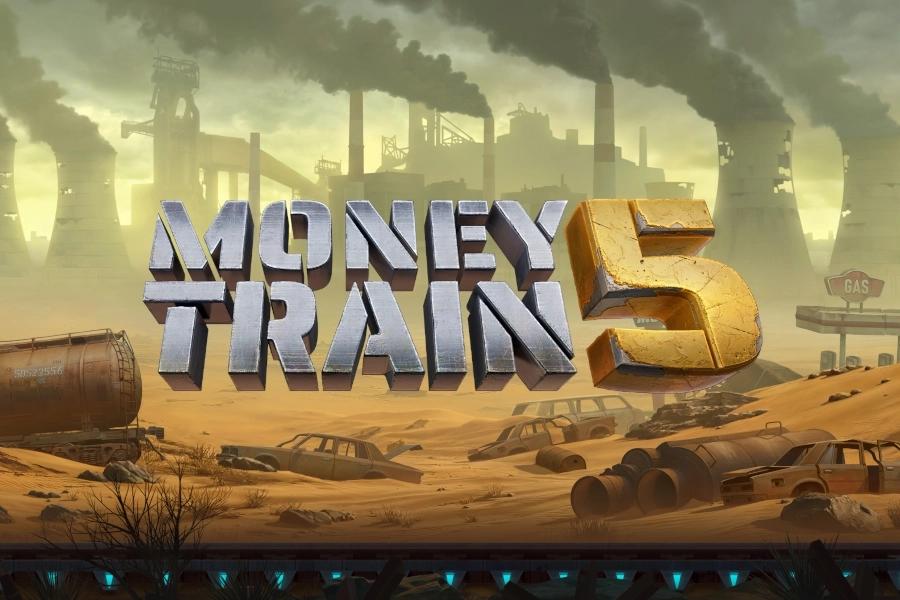
All four Money Train games are worth a demo spin, but they serve different purposes. Money Train 1 is the simplest - six modifier types, a clean 5x4 grid, and a bonus round you can learn in two triggers. It's the best introduction to the hold-and-win format Relax popularized.
Money Train 2 is where the mechanic reaches its peak balance. Eleven modifiers, the Respin bridging feature, and a bonus round where stacking interactions feel emergent rather than scripted. Community consensus strongly favors this entry, and a demo session quickly shows why - the modifier combinations produce genuinely different outcomes each time.
Money Train 3 adds a cyberpunk skin and more modifier types but also drops the bonus buy RTP from 98% to 96.50%. In demo this difference is invisible, but the increased complexity is obvious. The Persistent Shapeshifter and Tommy Gun modifier create more volatile swings within individual bonus rounds. Sessions feel spikier than MT2.
Money Train 4's Scatter Pays grid and 21+ modifiers make it the most complex entry. The locked rows that expand during the bonus, the removal of Wilds, and the €6 max bet cap signal a different design intent. Demo mode is essential here - the game is dense enough that learning the modifier interactions before playing live prevents confusion.
Relax Gaming offers operators three RTP configurations per game - roughly 96%, 94%, and 86%. The demo version typically runs at the highest tier. A live casino might deploy a lower one. This gap means the demo experience can feel more generous than the real thing.
The practical takeaway: use demos to evaluate mechanics, bonus round design, and volatility feel. The return rate you experience in demo mode may not match your casino's version. The in-game paytable under Settings shows the actual RTP deployed at any given operator.
Relax's catalog outside the headline titles contains genuine variety that demos help surface. Hellcatraz uses an 8-bit prison aesthetic with a Lockdown Spins feature that plays entirely differently from Money Train's hold-and-win. Iron Bank borrows from heist film tropes and builds its bonus around Mystery Symbols that can fill the entire grid. Beast Mode (co-developed with CasinoGrounds) runs a dual-reel system where the top and bottom halves interact. TNT Tumble offers something rare in the Relax catalog: player-selectable volatility within the bonus round. You pick medium, high, or extreme before free spins begin.
Dead Man's Trail is the sleeper. A pirate-themed map bonus where you navigate a branching path, collecting multipliers and avoiding traps. It plays nothing like anything else Relax has made - closer to a board game than a slot. At 50,000x max win it carries the studio's signature ceiling, but the route to getting there is mechanically unique. A demo session makes the format immediately clear in a way that reading about it does not.