Play'n GO Slots
71 free demo slots from Play'n GO
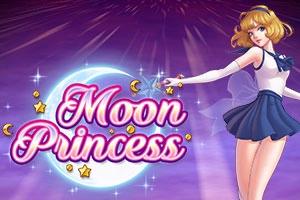
Play'n GO is the studio that turned grid-based slots into a genre of their own. They made a name for themselves with games like Reactoonz and Moon Princess, where symbols clear on 5x5 and 7x7 grids instead of spinning on standard reels. The company is still privately owned and run by its founders, offering a catalog that mixes these signature grid games with traditional slots.
Play'n GO
Play'n GO
Play'n GO

Play'n GO
Play'n GO
Play'n GO
Play'n GO
Play'n GO
Play'n GO
Play'n GO
Play'n GO
Play'n GO
Play'n GO
Play'n GO
Play'n GO
Play'n GO
Play'n GO
Play'n GO
Play'n GO
Play'n GO

Play'n GO
Play'n GO
Play'n GO

Play'n GO
Play'n GO
Play'n GO
Play'n GO
Play'n GO
Play'n GO
Play'n GO
Play'n GO
Play'n GO
Play'n GO
Play'n GO
Play'n GO
Play'n GO
Play'n GO
Play'n GO
Play'n GO
Play'n GO
Play'n GO
Play'n GO
Play'n GO
Play'n GO
Play'n GO
Play'n GO
Play'n GO
Play'n GO
Play'n GO
Play'n GO
Play'n GO
Play'n GO
Play'n GO
Play'n GO
Play'n GO
Play'n GO
Play'n GO
Play'n GO
Play'n GO
Play'n GO
Play'n GO
Play'n GO
Play'n GO
Play'n GO
Play'n GO
Play'n GO
Play'n GO
Play'n GO
Play'n GO
Play'n GO
Play'n GO
Play'n GO is a Swedish studio that actually did something rare in the casino world by inventing a whole new category of slots. While other companies were busy copying Megaways games, this independent team built its reputation on grid slots. These are games played on 5x5 or 7x7 grids where symbols cluster together to pay out, and they feel completely different from standard spinning reels. After almost thirty years, the company is still privately owned by its founders, with no parent company and a huge catalog of over 400 games.
How their grid slots work
Reactoonz is the game that made Play'n GO popular with serious players. It uses a big 7x7 grid where winning symbols disappear and new ones drop in. As you win, you fill up a meter that unlocks different features, eventually dropping a massive wild symbol onto the board.
This idea of charging up a meter is the backbone of their best games. Moon Princess uses a 5x5 grid where anime characters use special powers between spins. Rise of Olympus takes that exact same idea and swaps in Greek gods. Honey Rush uses a honeycomb shape, and Viking Runecraft adds a leveling system.
The main thing tying these games together is that you are always building toward a goal. You collect winning symbols to fill a meter, and hitting certain numbers triggers different effects. It gives you a reason to keep playing because you can see your progress on the screen. This sense of building up to a big feature is the studio's real signature.
Book of Dead and a massive catalog
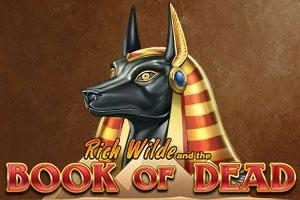
Book of Dead is probably the most played online slot of the last ten years. It is a simple game with high payouts and expanding symbols in the free spins round. It became the standard game that casinos use for free spin promotions. The main character, an explorer named Rich Wilde, now has a whole universe of games that even include his daughter Cat.
Play'n GO leans heavily on sequels. There are almost ten games in the Book of Dead series, seven Reactoonz games, and multiple versions of Moon Princess and Fire Joker. They also make updated versions of older hits with much higher maximum payouts. Out of their 400 games, only about 30 of them are actually popular. The rest of the catalog is mostly filler that you will probably never play.
One interesting detail is that the studio refuses to let players buy their way straight into bonus rounds. People complained about this at first, but then countries like the UK and the Netherlands banned bonus buys entirely. That decision made the company look pretty smart in hindsight.
The problem with their payout rates
Every Play'n GO game comes with five different payout rates, or RTP settings. These usually sit around 96%, 94%, 91%, 87%, and 84%. The casino gets to choose which version they want to offer. Some stricter countries force casinos to use at least the 91% setting, but in places with looser rules, you might be playing Book of Dead at a terrible 84% return.
The biggest issue today is that many casinos just default to the 94% version instead of the best 96% one. To make matters worse, Play'n GO removed the ability to easily check the game's code to see which version you are playing. You can usually still find the active rate buried in the game's help file, but hiding it was a bad move.
A great studio with one big catch
The studio has great art, solid math behind their games, and they completely own the grid slot format. But the flexible payout rates are a massive asterisk next to their name. Playing a game at 96% is a totally different experience than playing it at 84%. Over thousands of spins, that gap turns a fair game into a bad bet.