TORnado PRAG Slot Review
by Popok GamingReleased Aug 13, 2026
Specifications
| Game Type | Slots |
|---|---|
| RTP | 96.38% |
| RTP Range | 96.29-96.66 |
| Volatility | High |
| Max Win | 5,000x |
| Grid | 6x5 |
| Paylines | Pay anywhere, 8 or more matching symbols |
| Min Bet | $10 |
| Max Bet | $20000 |
| Hit Freq | 32.87% |
PopOK's Prag label was set up to rework old classics, and its second release leans heavily into a format the market refuses to retire. TORnado PRAG is a pay-anywhere tumble slot that borrows the exact mechanical skeleton of a familiar mythological heavyweight, swapping Zeus for a god with a hammer. It exists because players keep feeding this specific loop of cascading symbols and escalating multipliers, and studios will keep building them as long as the demand holds.
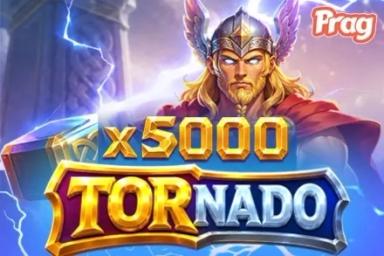
The aesthetic is surprisingly calm for a release about a thunder god. Instead of a raging storm, you get a man standing on a cloud at dawn, watching the grid with fairly mild interest. The title spells out the joke in gold and white text just in case the hammer wasn't enough of a hint, yet the whole presentation feels subdued. It tries to be a softer visual wrapper for a math model that is anything but gentle.
The baseline figures outline a high volatility machine with a 96.38% return and a 5,000x max win, landing hits at a 32.87% rate. The stakes run from 10.00 to 20,000.00 in the game itself, though the studio's published documentation lists a 0.02 to 100.00 spread. The Double Chance side bet lifts the return to 96.66%, while the 100x buy option drops it slightly to 96.29%.
Base tumbles and missing wilds
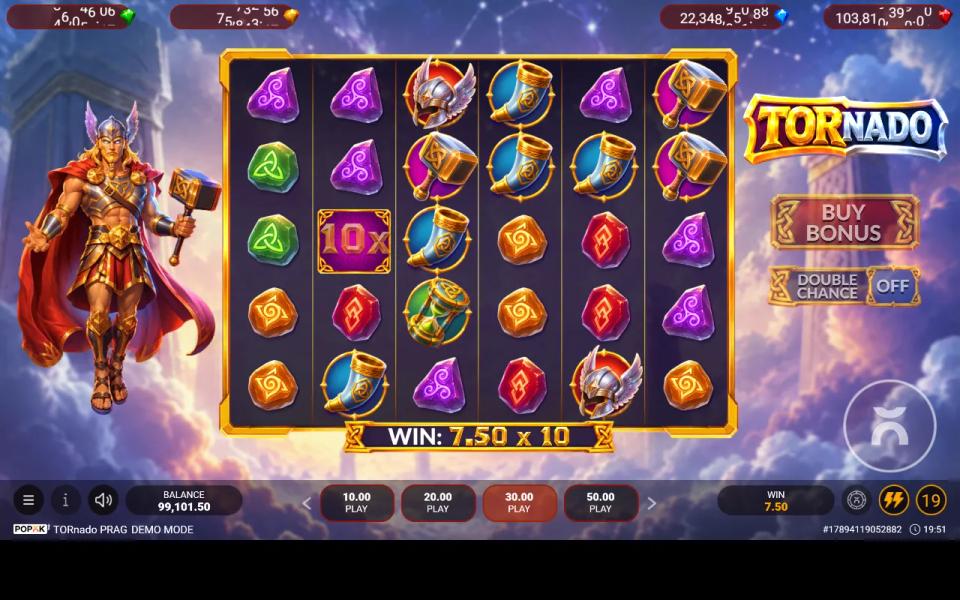
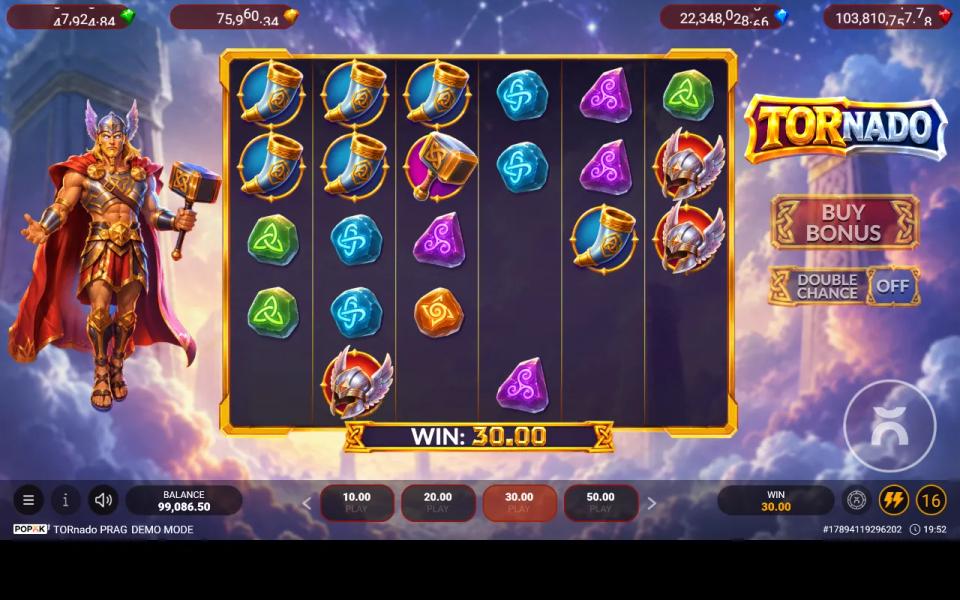
Symbols pay anywhere on the layout from eight of a kind upwards, and there are no wilds to bridge a near miss. Payouts are grouped into four flat tiers, meaning nine symbols pay exactly what eight do, and eleven pay what ten do. The only threshold that matters is twelve. Cross that line, and a winged helmet jumps from a 25x payout to 50x, while the lowest blue rune shifts from a fraction of the bet to 2x. Below that twelve-symbol mark, the board mostly hands back loose change. Seven of the regular symbols pay less than the stake for a baseline cluster, making a quarter-stake win the most common event on the grid.
Tumbles clear winning symbols to drop new ones, but they rarely build momentum. Most base rounds stop dead on the first drop, handing back roughly half the stake. When a longer chain does connect, it might string together half a dozen tumbles to scrape together a 15x payout. Multiplier gems can interrupt this drift, landing randomly with values from 2x to 500x. If a gem lands alongside a paying cluster, it multiplies the payout; if the board loses, the gem is simply discarded.
Building the total multiplier
Four scatters trigger fifteen free spins and award a 3x payout. Three scatters do nothing. Landing six scatters hands you a 100x premium, twenty times the payout for five, yet it still awards the exact same fifteen free spins. Inside the round, four scatters add five extra spins.
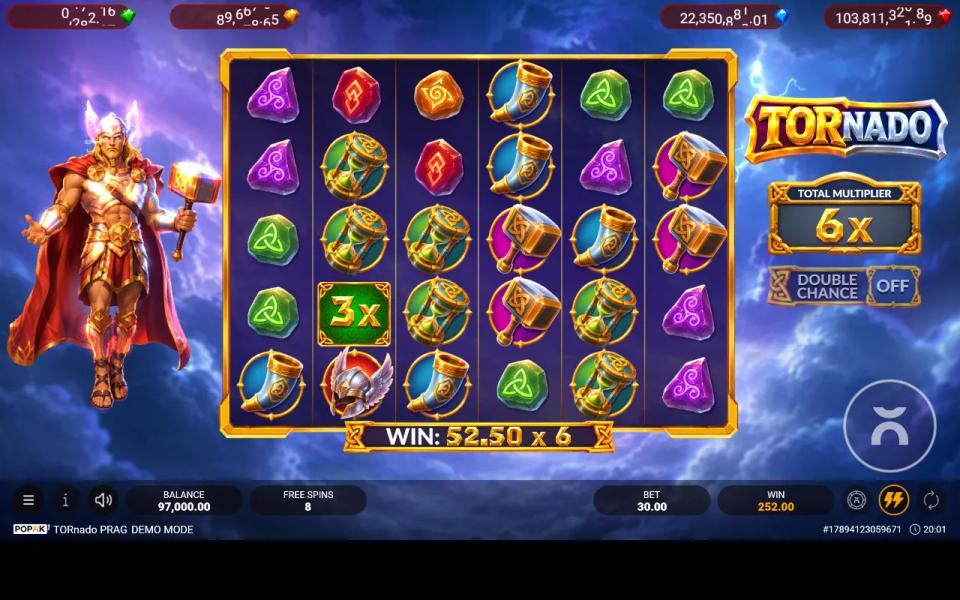
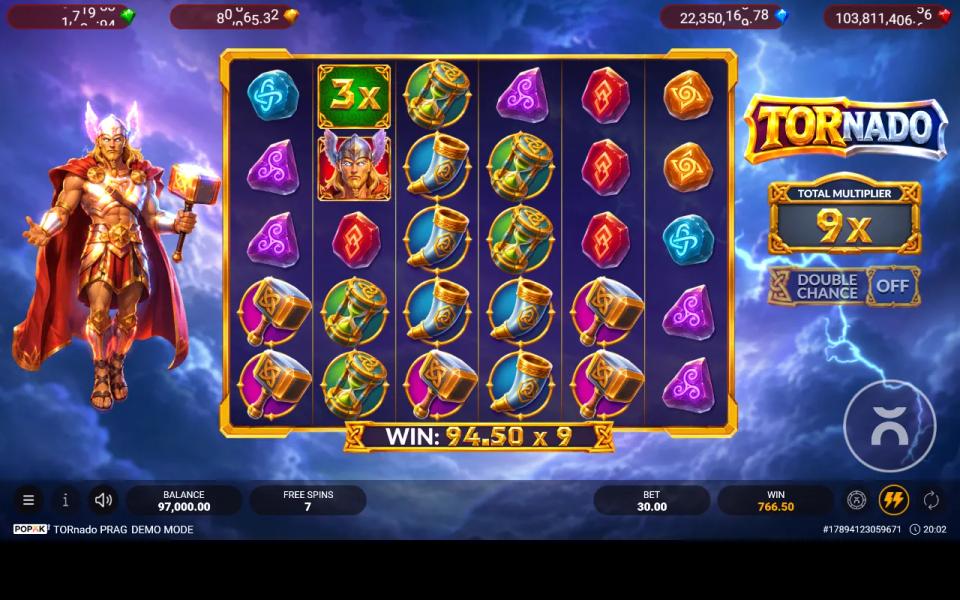
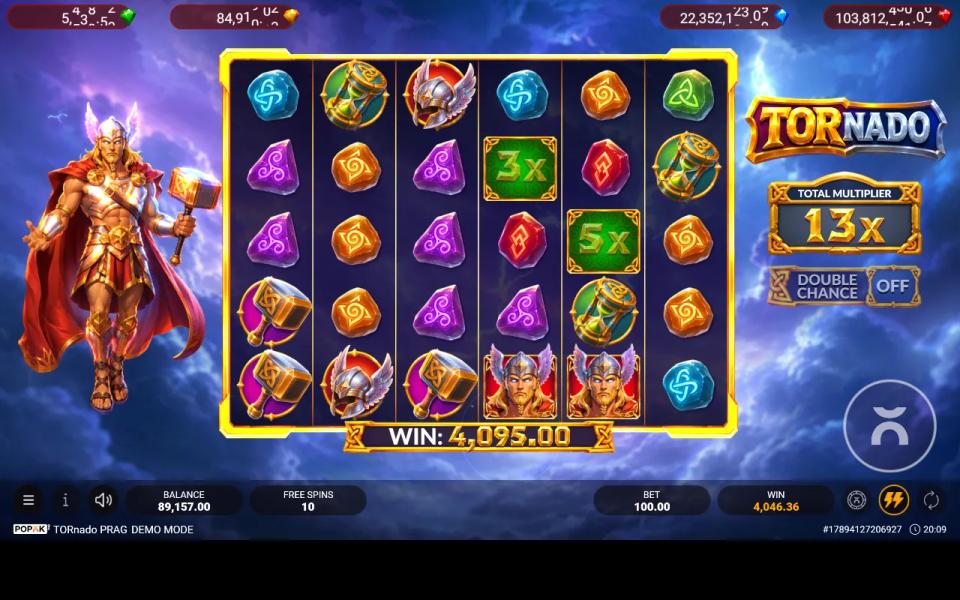
The free spins introduce a persistent total multiplier panel, and the rules governing it are quite strict. A gem's value only banks into the total if the spin it lands on also wins. More importantly, that banked total is only applied to a payout if a fresh gem lands alongside a win on that specific spin. A winning cluster with no new gem on the screen is paid completely flat, ignoring whatever massive number sits banked beside the reels. You could be staring at a 16x total multiplier, land a solid cluster, and watch it pay out exactly its base value because the required trigger gem didn't show up.
Paying the 100x premium to buy the round bypasses the base game entirely, but it exposes the true cost of that multiplier rule. A bought feature often spends its first half building a banked total that sits idle. When a round does manage to scrape back a fraction of its asking price, it usually relies on one or two late spins where a fresh gem finally meets a large cluster and a high banked total.
Activating the Double Chance side bet costs an extra 25% per spin and raises the return. The game adjusts the bet bar the moment the toggle flips, with no warning dialogue, so players not watching their balance might miss the price hike. Finally, every stake qualifies for four progressive jackpots sitting above the matrix, awarded through a random picking game that can trigger after any collected win.
The final assessment
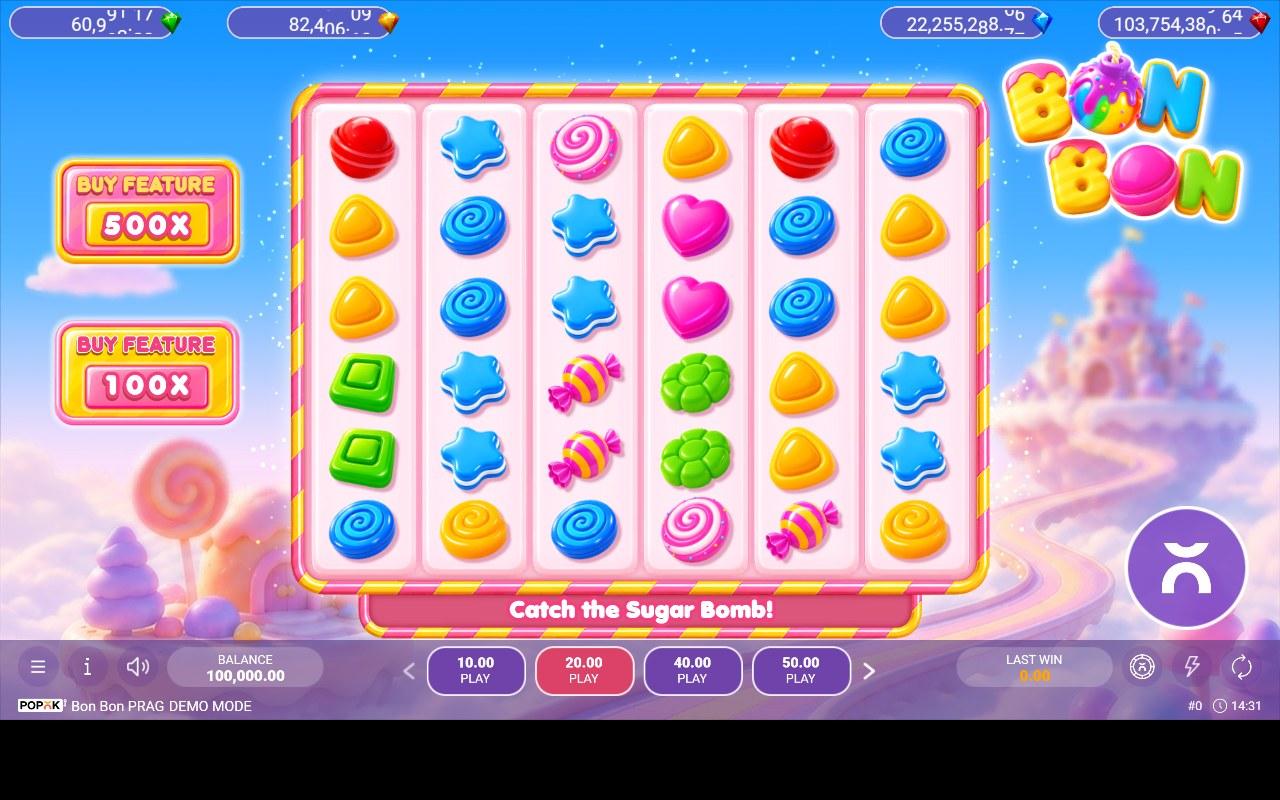
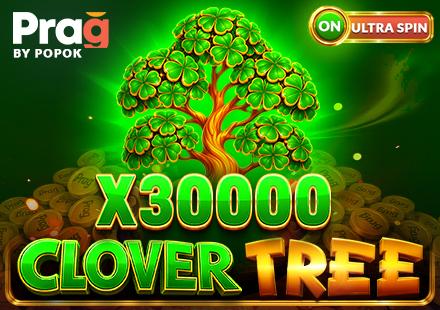
The 5,000x max win is a highly sensible cap for this math model, and the free spins are the only realistic place to find it, since nothing outside the feature banks a multiplier. Pitted against Kingdom of Atlantis and its 94.50% return for the same potential, the 96.38% baseline here is quite solid. Yet inside its own label, it faces tough competition. Bon Bon PRAG offers three times the max win at a higher return and a much faster hit rate, while Fury of Anubis delivers a 10,000x cap on the exact same layout, albeit with fewer hits. Clover Tree x30000 PRAG even shares the same four progressive pots but pushes its max win to 30,000x.
What this release does well is present a calmer, slightly more grounded take on a highly volatile genre. The layout functions exactly as expected, and the side bet is genuinely rated higher than the buy option. The trap lies entirely in the feature's activation rules. Gates of Olympus 2500 runs a very similar multiplier economy, but the requirement here to land a fresh gem to unlock the banked total makes the free spins feel somewhat restrictive. You spend most of the bonus watching a banked multiplier sit out the spins that actually win.
Played and reviewed by the SlotsReach editorial team · Published 14 Sept 2026