82 free demo slots with fantasy theme
Wizards, elves, enchanted forests, and mythical creatures. Fantasy slots are a massive category that gave us some of the most innovative mechanics in the business.
Blueprint Gaming
Hacksaw Gaming
Pragmatic Play
Blueprint Gaming
ELK Studios
Microgaming
Pragmatic Play
ELK Studios
Endorphina
ELK Studios
Hacksaw Gaming
ELK Studios
ELK Studios
ELK Studios
Endorphina
ELK Studios
ELK Studios
PG Soft
ELK Studios
ELK Studios
ELK Studios
Play'n GO
Pragmatic Play
ELK Studios
Pragmatic Play
Play'n GO
Pragmatic Play
ELK Studios
Pragmatic Play
ELK Studios
ELK Studios
Hacksaw Gaming
Play'n GO
Play'n GO
ELK Studios
Play'n GO
Pragmatic Play
ELK Studios
Hacksaw Gaming
Pragmatic Play
Play'n GO
Hacksaw Gaming
Pragmatic Play
Pragmatic Play
Pragmatic Play
Pragmatic Play
ELK Studios
Pragmatic Play
Pragmatic Play
Pragmatic Play
Pragmatic Play
Hacksaw Gaming
Pragmatic Play
Pragmatic Play
Pragmatic Play
Pragmatic Play
ELK Studios
Pragmatic Play
Pragmatic Play
ELK Studios
ELK Studios
ELK Studios
Hacksaw Gaming
Pragmatic Play
ELK Studios
ELK Studios
Pragmatic Play
Pragmatic Play
Pragmatic Play
Pragmatic Play
ELK Studios
Pragmatic Play
Pragmatic Play
ELK Studios
ELK Studios
ELK Studios
ELK Studios
Play'n GO
ELK Studios
ELK Studios
Pragmatic Play
Blueprint Gaming
Fantasy slots are where iGaming prototypes its biggest ideas. Cascading reels - the mechanic that replaced traditional spinning with falling symbols and chain reactions - launched in Gonzo's Quest in 2011. Megaways, the variable-reel engine generating up to 117,649 ways to win, debuted in Dragon Born in 2015. Both fantasy-themed games. That's not coincidence. When your setting involves falling temple blocks or dragon fire reshaping the grid, you have narrative permission to break format. Fruit slots and Egyptian themes don't offer that kind of creative cover, which is why fantasy punches above its weight in shaping how all slots work.
The category is massive - around 1,300 titles across every major provider - and the borders are blurry. Norse mythology slots, fairy tale adaptations, dark vampire romance, anime celestial magic, Arthurian sword-and-sorcery, and dragon-centric games all land under the fantasy umbrella depending on which directory you check. The practical distinction: mythology slots use specific named gods from real pantheons (Zeus, Thor, Ra) in culturally grounded settings, while fantasy builds original fictional worlds or uses non-specific magical elements. That boundary gets argued about constantly, and no two cataloging sites agree.
Microgaming released Immortal Romance in December 2011 and it changed what players expected from a theme. Four vampire characters - Michael, Sarah, Amber, Troy - each with written backstories and a dedicated bonus round inside the Chamber of Spins. Players unlocked new characters through repeated play, creating a reason to come back that had nothing to do with chasing losses. The math held up: 96.86% RTP, medium volatility, 12,150x max win. Fourteen years later, people still load it up.
The sequel didn't land the same way. Immortal Romance II arrived in May 2024 with 1,024 paylines and cascading wins, but grafting a Link&Win jackpot wheel onto a narrative game felt like the wrong call. Community reception was lukewarm at best. Sarah's Secret followed as a single-character spinoff that narrowed the audience along with the focus. The franchise now spans five separate products (original, Mega Moolah variant, Vein of Gold, Video Bingo, and the sequel), and that's a lot of mileage from one set of vampire love stories.
Thunderstruck went through the same arc. The 2003 original proved Norse fantasy worked in slots. Thunderstruck II raised the bar with the Great Hall of Spins - four tiers of progressively better bonuses, each tied to a different Norse god. It's one of those rare sequels that surpassed the original. But the franchise kept expanding: Stormchaser, Wild Lightning, Gold Blitz Extreme. Six titles and counting. None of them match the second game.
The most expensive legal fight in slot history started with a spam email. In 2012, a lawyer for the Tolkien Estate received an ad for "The Lord of the Rings: The Fellowship of the Ring Online Slot Game," built by Microgaming under Warner Bros. license. The Estate filed an $80 million lawsuit arguing the original 1969 rights deal covered physical merchandise - figurines, clothing, stationery - not digital gambling products. Warner Bros. countersued. Five years of litigation ended with an undisclosed settlement in July 2017.
The slot itself was solid for its era: cinematic spins with actual film footage, connected to the Mega Moolah progressive jackpot network. But the case exposed a tension that still shapes the category. Fantasy IP owners - the Tolkien estate, Hasbro, various literary estates - tend to view gambling as reputationally toxic. When Hasbro licensed Dungeons & Dragons for "Tales of Riches," the D&D community reacted with open hostility. The reception was brutal - players saw playing card symbols on a D&D-branded slot as cheapening the entire franchise. The game quietly disappeared from most casino lobbies.
This IP friction is why the most successful fantasy slots build original worlds. Immortal Romance's vampires, Yggdrasil's Viking warriors, Play'n GO's Rich Wilde - none need a licensing agreement or risk a cease-and-desist. Playtech's Age of the Gods series (12+ titles with shared four-tier progressive jackpots) pulls from public-domain Greek mythology, sidestepping the problem entirely while building iGaming's largest slot franchise.
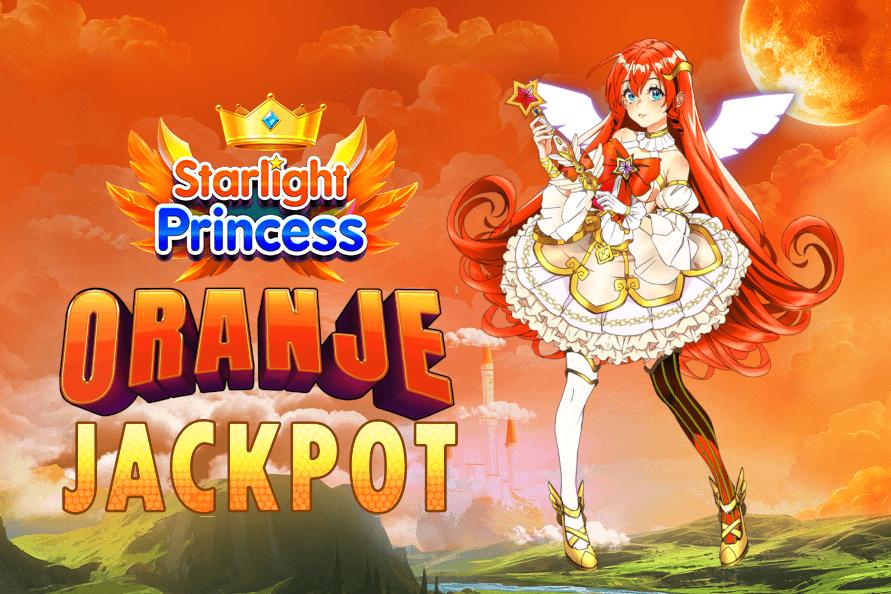
Is Starlight Princess a different game from Gates of Olympus? Technically, yes. An anime princess replaces a bearded Greek god. The symbols change. The background shifts from one set of clouds to another. But the math model, the scatter-pays mechanic, the tumbling reels, the multiplier bombs, the win values, even the way the character shifts position before a multiplier drops - identical. Pragmatic Play then released 1000x versions of both, then Super Scatter variants. That's the same engine sold five or six times in different outfits.
Fair play to Pragmatic - they had 11 of the top 20 most successful slot releases of 2024. The approach works commercially. But it corrodes trust specifically within fantasy, because the theme promises imagination and original world-building. Getting the same math in an anime costume instead of a Greek toga undercuts that promise.
Dragon slots carry a similar burden at lower stakes. The sub-genre has been recycling variations on the same fire-breathing lizard for fifteen years, and the bottom half of that catalog blurs into indistinct noise. Stakelogic's Dragons and Magic is a recent example - a few modifiers liven things up, but the overall impression is sleepy. When providers treat fantasy as a visual layer rather than a design philosophy, you get wallpaper.
Blood Suckers (NetEnt) proves the opposite approach works. A vampire-themed slot with 98% RTP and low volatility - one of the most generous return rates in the industry. It built a loyal audience by committing to a specific player type (grinders who want extended sessions) rather than chasing the high-volatility trend. That kind of deliberate positioning is rare in a category drowning in generic 96% RTP, high-vol entries.
The most interesting development in fantasy slots is the invasion of video game mechanics. Yggdrasil's Vikings series introduced rage meters years ago - a gauge filling over multiple spins until a character triggers Berzerk Mode with enhanced features. Vikings Go To Valhalla (high volatility, 23,210x max win) added actual boss fights against Jörmungandr. Those were prototypes.
The current generation pushes further. Evoplay's Dungeon: Immortal Evil plays like a dungeon crawl with combat, loot, and equipment upgrades running on top of slot mechanics. Playtech's Kingdoms Rise series connects multiple games through a shared token economy - earn tokens in one slot, spend them on jackpots in another. Play'n GO's Champions of Mithrune offers five heroes with unique powers that reshape the bonus round depending on your pick.
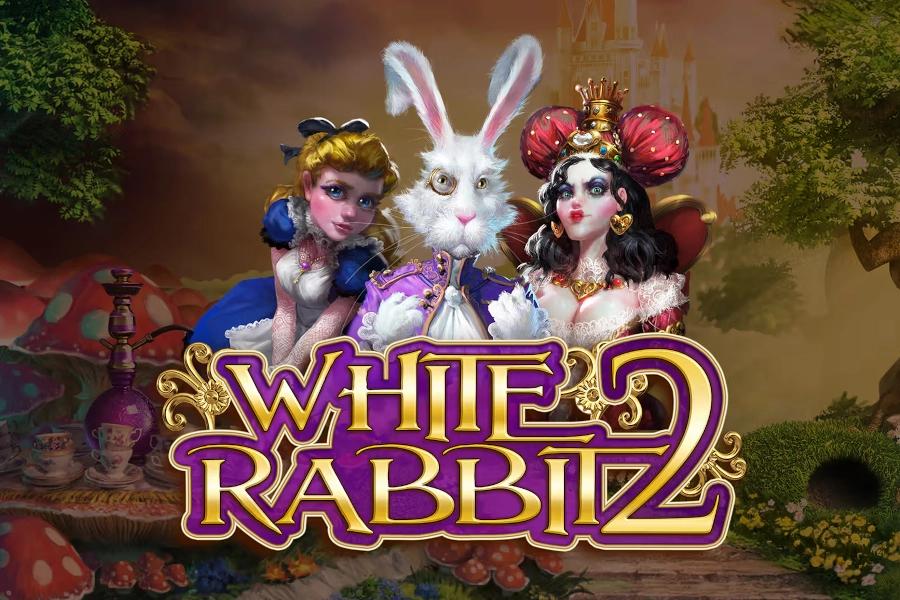
This crossover works because the mechanics feel native in fantasy settings. Quests, character progression, boss fights - you don't need to explain why a wizard gains experience points. Try bolting a leveling system onto a fruit slot and the dissonance kills it instantly. White Rabbit Megaways (97.24% RTP) married Alice in Wonderland with the Megaways engine so naturally that the variable reels feel like part of Wonderland's logic. The theme justified the mechanic.
Providers already building at this intersection - Yggdrasil with collection systems, Play'n GO with character-driven adventure series, smaller studios like Evoplay pushing toward genuine RPG-slot hybrids - are the ones shaping where fantasy goes next. Pragmatic Play will release their version eventually. Probably as a reskin of something that already works.