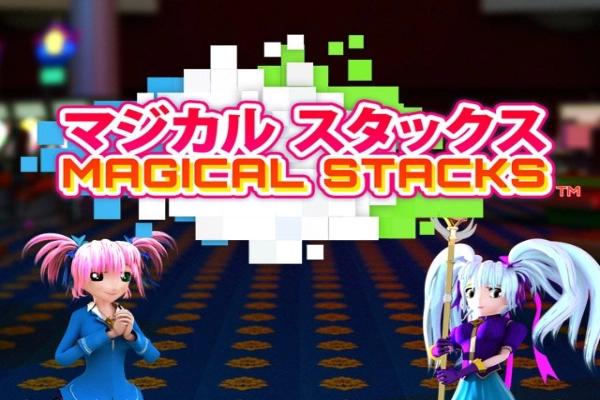
6 free demo slots with anime theme
Japanese animation meets slot mechanics. Anime slots stand out with their distinct visual style, unique characters, and creative bonus rounds that feel different from the usual lineup.
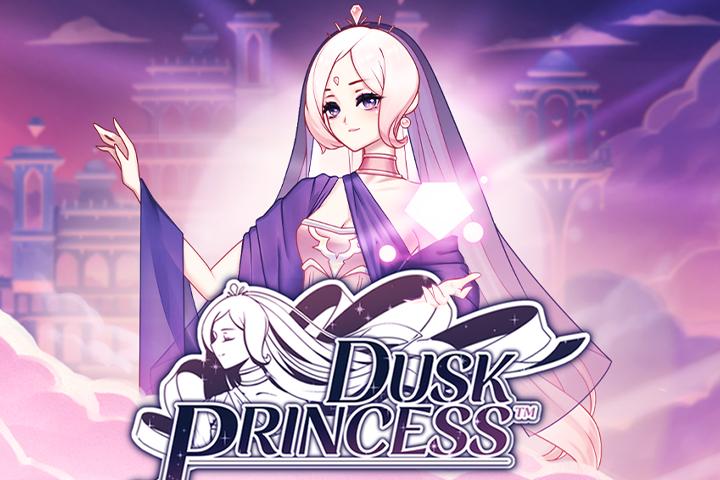
Hacksaw Gaming
Pragmatic Play
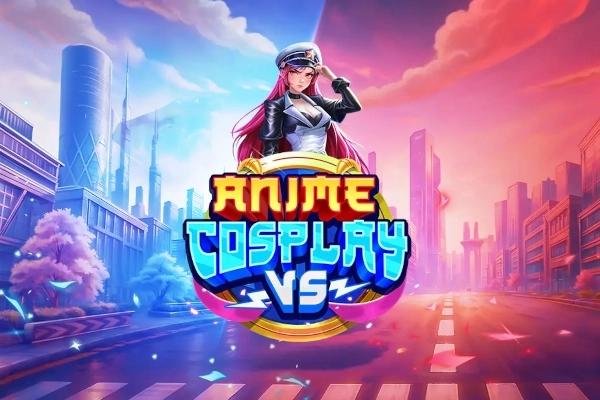
Hacksaw Gaming
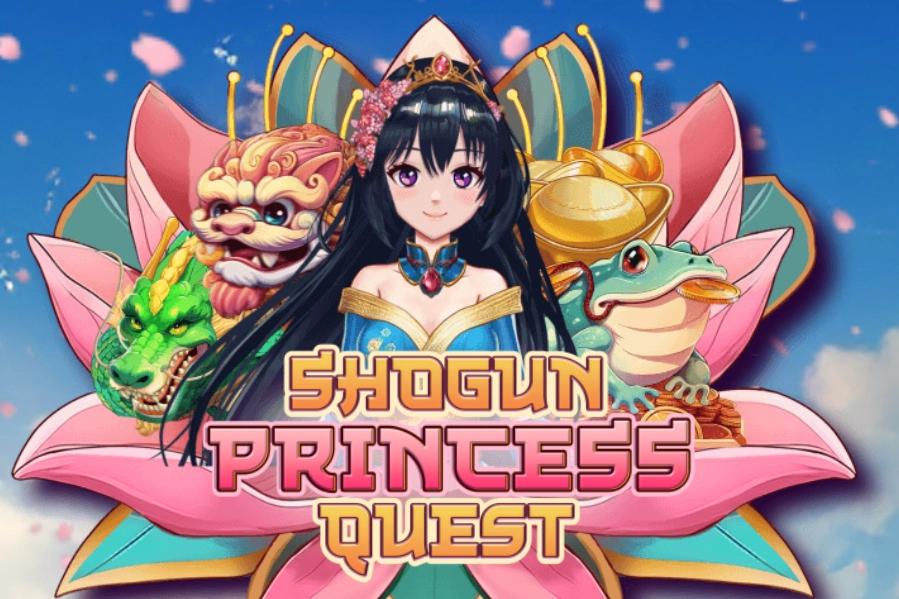
Pragmatic Play
Pragmatic Play
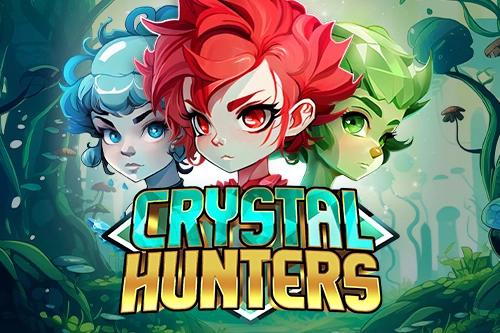
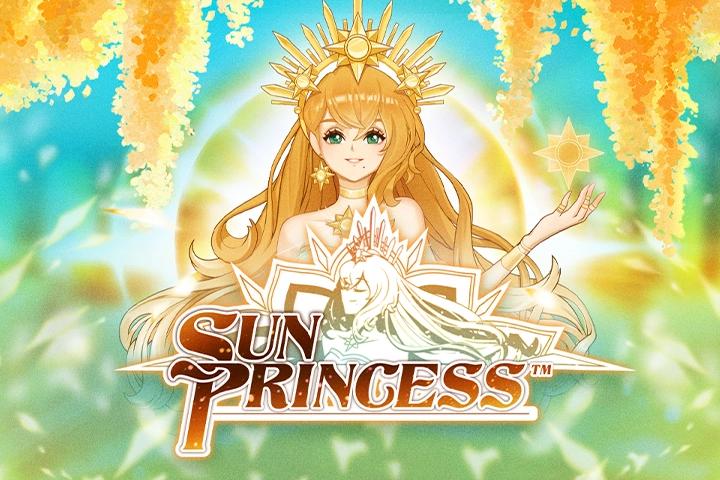
Play'n GO
Anime slots run on a duopoly. Play'n GO's Moon Princess and Pragmatic Play's Starlight Princess between them account for the bulk of player traffic, streamer content, and casino lobby placement in the category. Behind those two, maybe 46 other anime-styled titles compete for scraps - a tiny number compared to the hundreds of Egyptian or mythology games clogging every directory. That scarcity means individual releases get outsized attention. One strong game shifts the entire category's reputation.
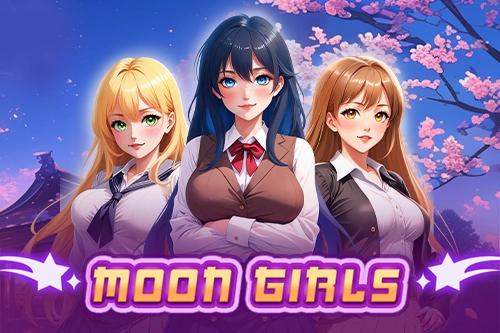
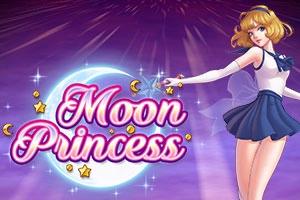
Play'n GO launched Moon Princess in July 2017, timed to Sailor Moon's 25th anniversary. A 5x5 grid, three bishōjo princesses (Love, Star, Storm), each with a different modifier power - Love transforms symbols, Star adds wilds, Storm clears sets. Cascading wins. A full grid clear pays a 100x bonus. The character selection during free spins is a real strategic choice, not decoration. 96.5% RTP, high volatility, 5,000x cap. Four sequels followed (Christmas Kingdom, Moon Princess 100, Trinity, Power of Love), each iterating without abandoning the core.
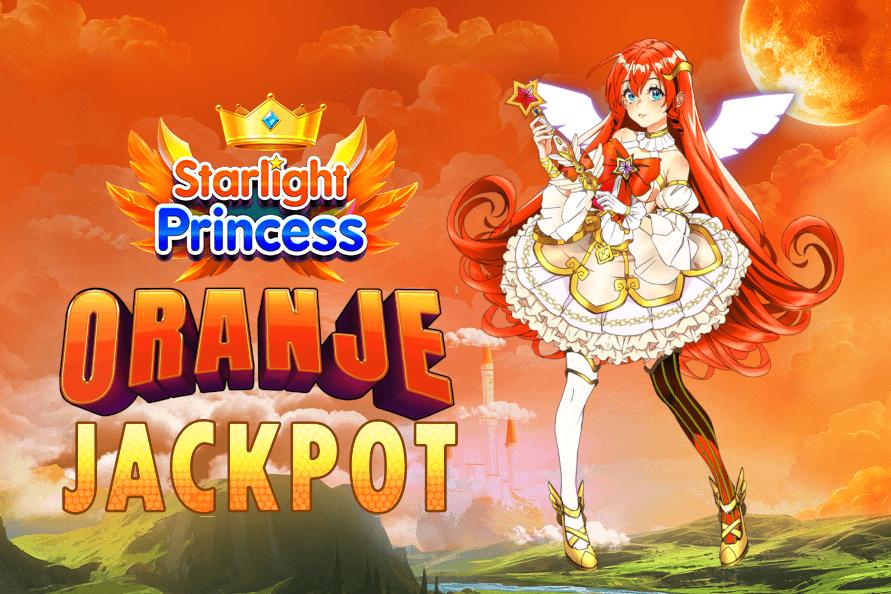
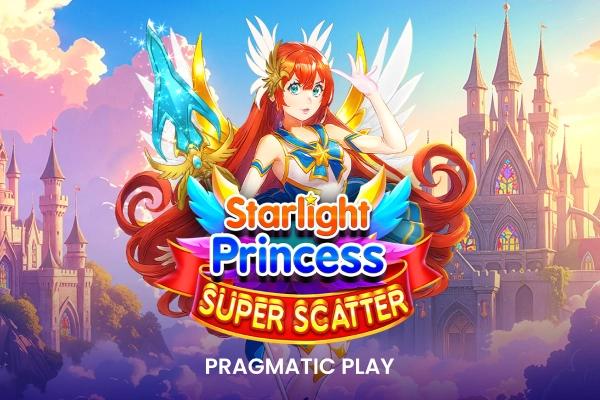
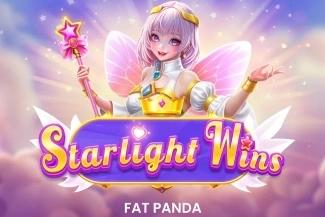
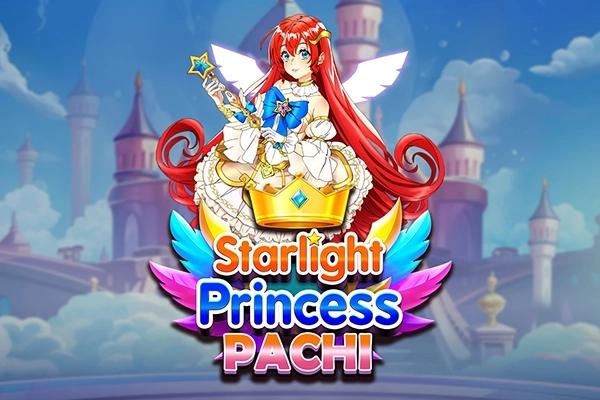
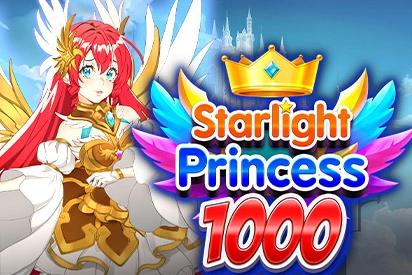
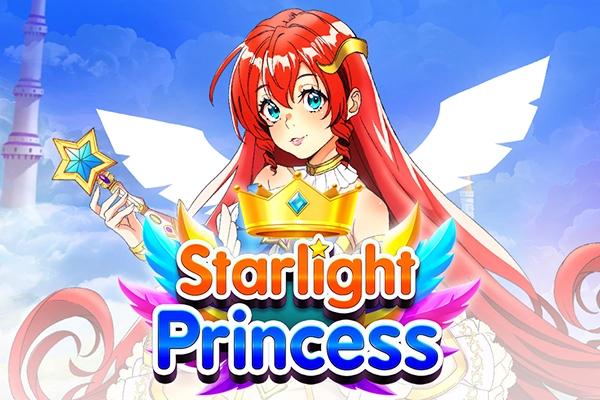
Starlight Princess (Pragmatic Play, September 2021) took the opposite path and won bigger. The game is Gates of Olympus in anime costume. Same 6x5 scatter-pays engine, same tumble mechanics, same multiplier bombs. Swap Zeus for a red-haired princess with wings, add pastel sparkle and encouraging voice lines on wins, and suddenly the game reaches a demographic Gates never could. The franchise grew fast: Starlight Princess 1000 (15,000x max), Starlight Christmas, a 3x3 pachislot format, and the November 2025 Super Scatter variant pushing max win to 50,000x.
Is Starlight Princess a clone? Obviously. Does that matter commercially? Not even slightly. The anime dress gave Pragmatic access to casual and female-skewing audiences that their usual output misses. That tension between creative originality and commercial cloning defines the whole category.
The most distinctive anime slots come from Golden Hero and JTG (Japan Technical Games), two companies that did something nobody else attempted: translating Japan's physical pachinko/pachislot culture - a market that peaked around ¥30 trillion annually - into online format.
Hawaiian Dream (2018) was the first online pachislot. Battle Dwarf followed in 2019. Then Dreams of Gold, Oiran Dream, and a growing catalog of titles that look and feel nothing like Western slots. Compact 3x3 grids with 5 paylines, mirroring physical cabinets. A "Respin & Rush" mechanic where color-shifting symbols escalate toward free spin rounds that retrigger indefinitely when sevens align. The result is a sense of building momentum that Western slots rarely create.
The math is generous too. Hawaiian Dream runs at 97.00% RTP. Jewel Race at 96.95%. Wild Fusion at 96.86%. All above the Western anime average of around 96.3%, and all at medium rather than high volatility. More frequent payouts, punctuated by Rush-triggered bursts. That combination of authentic Japanese design and player-friendly math made Golden Hero one of the top performers on the Oryx RGS platform, with four titles ranking in the top 20 by generated bets.
Around 60% of anime slots use the shōjo/magical girl look - pastel palettes, sparkly backgrounds, large-eyed princesses, celestial imagery. Moon Princess and Starlight Princess both live here, and their success made it the default visual template. The formula works because it's instantly distinct from every other slot category while staying broadly appealing. You don't need to know what shōjo means to enjoy bright colors and a smiling character cheering your wins.
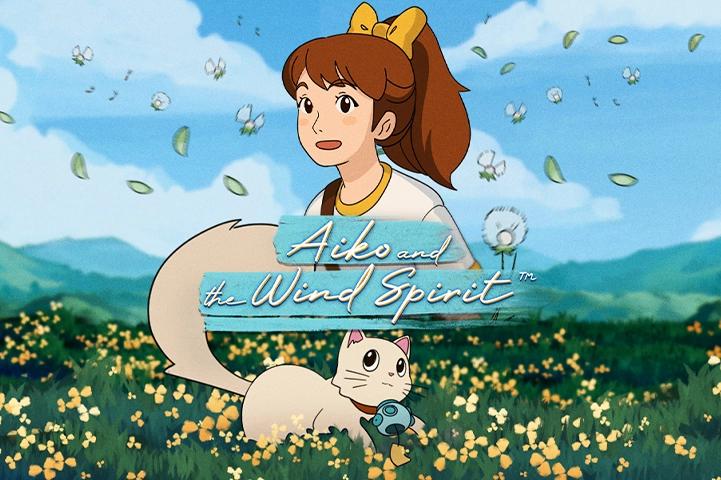
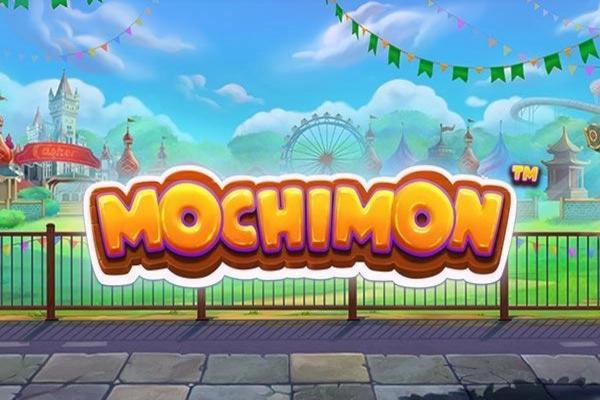
Five other visual approaches exist. Chibi/kawaii games like Kawaii Kitty (Betsoft), Magic Maid Café (NetEnt), and Mochimon (Pragmatic Play) push super-deformed proportions and maximum cuteness. Shōnen/action titles - Ninja Ways (Red Tiger), BGaming's Adventures - draw from Dragon Ball and Naruto with bold outlines, spiky hair, and explosive effects. Hacksaw Gaming pioneered a Studio Ghibli-inspired approach with Densho (morphing Japanese watercolor backgrounds, atmospheric calm instead of sparkle) and Aiko and the Wind Spirit. Traditional Japanese fusion slots like Koi Princess (NetEnt) and Sakura Fortune (Quickspin) blend anime character design with cultural imagery - koi fish, cherry blossoms, samurai. And the pachislot aesthetic from Golden Hero/JTG creates its own visual language entirely: compact grids, portrait-oriented mobile designs, heavy anticipation animation.
The gap between the best and worst anime slots visually is enormous. Hacksaw and Play'n GO sit at the top with real artistic ambition. Pragmatic delivers polished, effective production. DragonGaming offers passable art that trades on recognizable references. CQ9 Gaming (Taiwan) puts out bright but formulaic work. No other slot category has this wide a quality spread.
This is the category's strangest fact. Anime generates $36-38 billion globally. Western entertainment IPs (Wheel of Fortune, Game of Thrones, Guns N' Roses) get licensed for slots routinely. Not a single major anime franchise has made the jump to online gambling.
The contrast with physical pachinko is absurd. Licensed anime machines are everywhere in Japanese parlors. Neon Genesis Evangelion pachinko has generated around ¥700 billion across 2 million+ units since 2004. Fist of the North Star is the best-selling pachinko franchise ever. Attack on Titan, Sword Art Online, Gundam, Lupin III - all have official machines.
The barriers are structural. Japanese anime rights run through production committees (製作委員会), consortiums where publishers, studios, and broadcasters each hold different commercial rights and consensus is required. Original manga creators retain veto power. The Dragon Ball case says it all: every pachinko manufacturer approached Akira Toriyama for rights, and he refused. He couldn't tolerate his characters being used by gamblers. Beyond creator reluctance, associating characters marketed partly to children with international gambling operations represents a brand risk that Japanese IP holders won't accept.
This vacuum created one notable outlier. DragonGaming produces an entire catalog of barely-disguised anime homages: Saiyan Warriors (Dragon Ball Z), Shinobi Wars (Naruto), Hero School (My Hero Academia), Pirates of the Grand Line (One Piece), Demon Train (Demon Slayer). The iGaming equivalent of "legally distinct" knockoffs - instead of Indiana Jones, you get Adventure Hat Man. They operate on offshore and crypto platforms, and their licensing status is questionable at best.
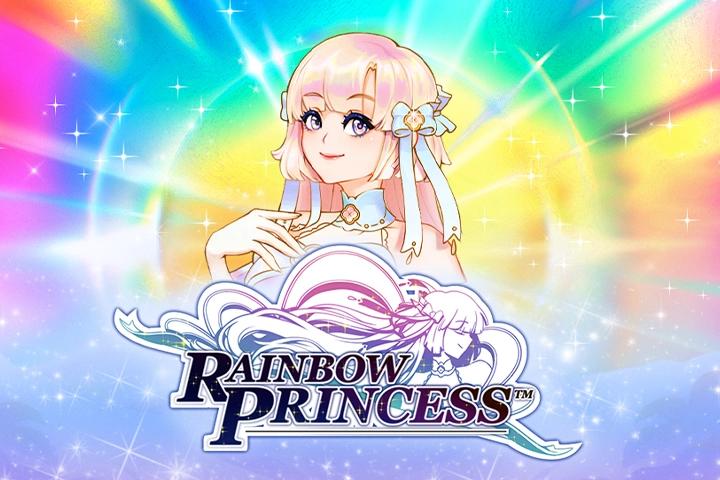
Anime slots share a distinctive mechanical preference that separates them from other categories. Grid and cluster-pays formats dominate - Moon Princess (5x5), Starlight Princess (6x5 scatter pays), Cloud Princess, Rainbow Princess, Starshine Crystals. Traditional paylines are rare. Cascading/tumble reels are standard among the top titles. Megaways, despite dominating other categories, barely shows up here.
The real signature is character-driven modifiers. Moon Princess gives each princess a different gameplay power. Ninja Ways deploys three random ninja modifiers. Koi Princess triggers four character-based features. Characters don't decorate the reels - they alter game state. That "magical power" approach makes anime slots feel closer to interactive entertainment than pure slot randomization, and it appears here far more often than in any other theme.
The numbers split cleanly along production lines.
JTG/Golden Hero pachislots sit highest: 96.86-97.00% RTP, medium volatility, modest max wins between 1,400x and 5,000x. Western grid slots (Moon Princess, Starlight Princess) occupy the middle: 96.20-96.50% RTP, high to extreme volatility, max wins from 5,000x up to 50,000x. Hacksaw's anime entries run at 96.24-96.36% RTP with medium volatility and 10,000x ceilings. Budget titles drop below average - Kawaii Kitty at 95.27%, DragonGaming's Pirates at 94.1%.
Operator-selectable RTP tiers complicate things. Starlight Princess exists in 96.50%, 95.51%, and 94.50% versions. Moon Princess ranges from 84.5% to 96.5%. The game-info panel shows which version is active, but the numbers aren't on the main screen.
The core criticism of anime slots is fair: too many clones, too little mechanical ambition. Pragmatic Play catches the most heat. Gates of Olympus became Starlight Princess became Starlight Princess 1000 became Super Scatter became the Christmas variant. Same engine, different outfits. That creates a "style over substance" shadow over the whole category.
Even Moon Princess, which did innovate, risks franchise fatigue with five sequels. At some point, the fourth princess variation stops feeling fresh.
But games that break the template exist. Ninja Ways runs 4,096 ways with ninja modifier powers and a 10,467x ceiling - one of the sharpest action-anime slots around. Koi Princess (NetEnt, 2015) packed eight bonus features into a single game, a record for NetEnt at launch, and remains the best low-volatility pick in the category despite being a decade old. BGaming's Adventures (2024) introduced boss-fight mechanics that feel pulled from a JRPG. Fortune Girl (Microgaming) ships with 97.18% RTP - the highest in the category outside pachislots. And Hacksaw's Densho and Aiko prove that anime slots can aim for atmosphere and artistic ambition instead of sparkle and volume.
Moon Princess remains the gold standard. Starlight Princess leads in raw play volume thanks to Pragmatic's distribution and bonus-buy appeal. The pachislot tier from Golden Hero/JTG offers the best math. And the category's biggest limitation - zero licensed anime IPs - is also what forces providers to build original characters and mechanics instead of riding brand recognition. As long as the category's top commercial hit remains an acknowledged clone in a sparkly dress, that tension between visual ambition and mechanical laziness isn't going anywhere.