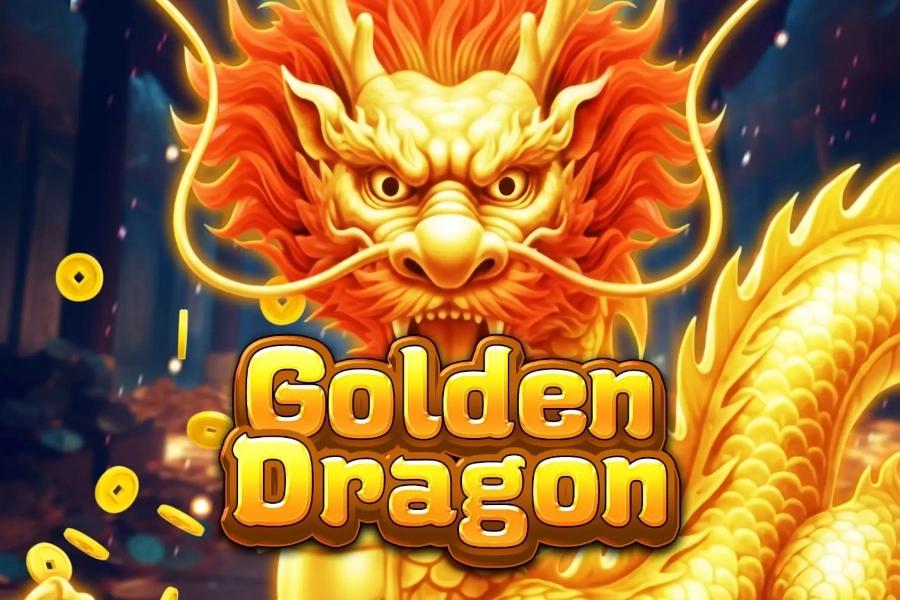
41 free demo slots with asian theme
Red and gold palettes, lucky symbols, and hold-and-win mechanics. Asian-themed slots are a casino lobby staple and one of the most consistent genres in the industry.
Pragmatic Play
Pragmatic Play
Hacksaw Gaming
Hacksaw Gaming
Endorphina
Pragmatic Play
Microgaming
Tada Gaming
Hacksaw Gaming
Hacksaw Gaming
Endorphina
Pragmatic Play
Pragmatic Play
Pragmatic Play
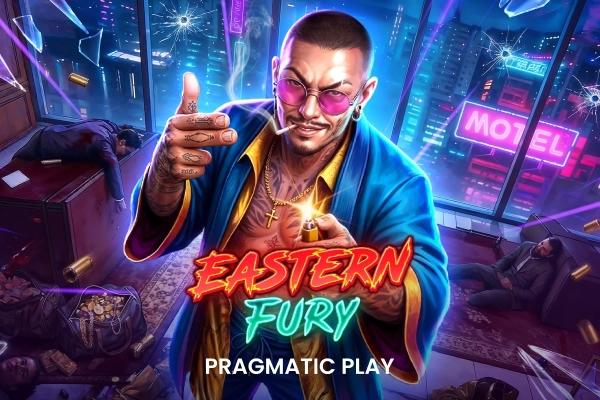
Pragmatic Play
Hacksaw Gaming

Pragmatic Play
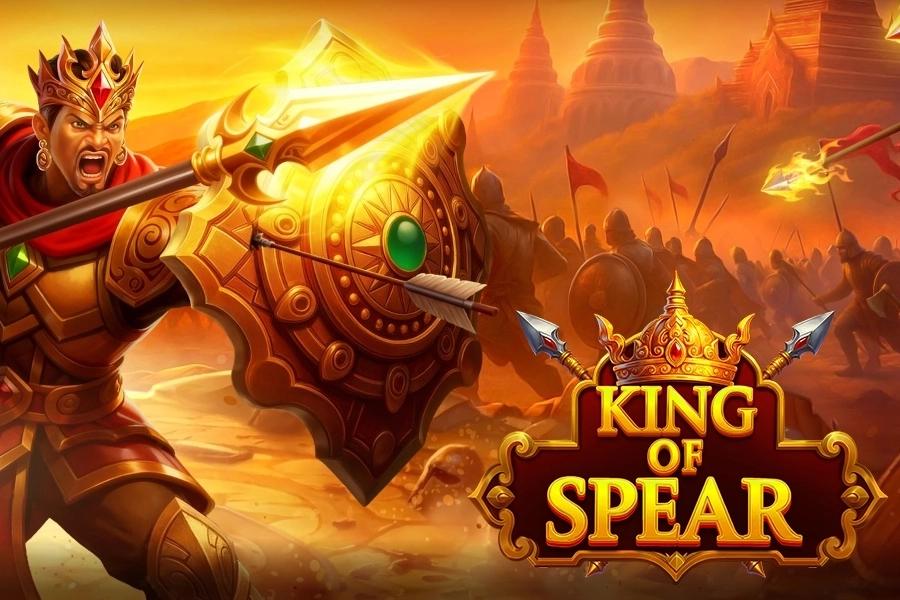
Play'n GO
Pragmatic Play
Pragmatic Play
Pragmatic Play
Pragmatic Play
ELK Studios
Pragmatic Play
Pragmatic Play
ELK Studios
ELK Studios
Pragmatic Play
Pragmatic Play
Pragmatic Play
Pragmatic Play
Pragmatic Play
Pragmatic Play
Pragmatic Play
Pragmatic Play
ELK Studios
Pragmatic Play
Pragmatic Play
ELK Studios
Play'n GO
ELK Studios
Asian slots are the largest single theme category in online gambling, and the reason is structural, not aesthetic. Red and gold color schemes look good on a slot grid, sure. Dragons make for dramatic animations. But dozens of themes look appealing. What separates this category is a rare alignment: the cultural symbols - golden ingots, coins with square holes, red envelopes - function as game mechanics, not decoration. When a Hold & Spin bonus fills the grid with yuanbao one by one, each locking in place and resetting the respin counter, you're watching a fortune-accumulation metaphor that maps perfectly onto how the feature actually works. No other theme has this kind of structural integration between imagery and mathematics.
The numbers back this up. Asian themes account for an estimated 30-40% of all Hold & Spin titles, a share far exceeding their proportion of total slot releases. Four-tier progressive jackpots (Mini, Minor, Major, Grand) appear with a density unmatched in any other category. The 243-ways format dominates Asian slots disproportionately. And the biggest land-based slot franchise in North America - Aristocrat's Dragon Link, with over 15,000 installed machines - is Asian-themed across all ten of its variants.
The provider landscape splits into two ecosystems that share symbols but disagree on everything else.
Asian-based studios - Spadegaming, CQ9 Gaming, PG Soft, KA Gaming, JILI Games, JDB Gaming - build for Southeast Asian mobile players. KA Gaming leads in raw volume with 750-900 games and 6-8 new releases per month. PG Soft has the strongest reputation, winning Best Slot Provider at the SiGMA South Asia Awards 2025. JILI dominates the Philippines with RTPs around 97% and "Must Hit By" jackpot mechanics. These studios share design DNA: portrait-mode mobile interfaces, frequent small wins over extreme variance, micro-stakes bet structures, and diversified portfolios that include fishing games, arcade shooters, and traditional card games alongside slots.
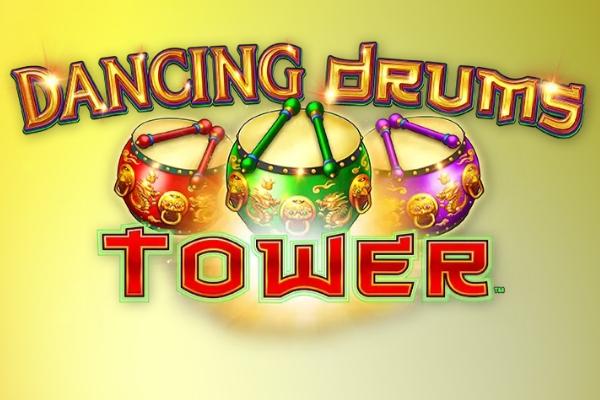
Western studios approach the theme differently. Light & Wonder's 88 Fortunes and Dancing Drums franchises anchor the American land-based market. Pragmatic Play runs the most aggressive online iteration strategy, with five Floating Dragon versions and four-plus 5 Lions releases since 2018. Red Tiger built the Dragon's Luck series around mystery coin mechanics. Quickspin produced Eastern Emeralds and Sakura Fortune, two of the genre's most mechanically ambitious titles.
The math tells the story. Western-designed Asian slots run high volatility with dramatic jackpot-chasing mechanics. Asian-studio games target medium volatility with higher hit frequency, engineered for mobile sessions where regular payoffs beat long dry spells. A PG Soft title with a 96.5% RTP and frequent bonus triggers serves a commuter on a Bangkok train. An 88 Fortunes cabinet with a $1 million progressive tier serves a weekend visitor at the Venetian. Same dragons, same gold coins, fundamentally different games.
The modern Asian slot genre has two origin points. 88 Fortunes, released by Shuffle Master (now Light & Wonder) in July 2016, built the template. Its All Up betting system structures everything around 8: increments of 8, 18, 38, 68, and 88 credits, with the number embedded in the mathematics rather than just the title. Players pay in multiples of 8 to activate additional gold symbols and unlock jackpot tiers through the Fu Bat pick bonus. It set the 243-ways format, the four-tier progressive model, and the red-and-gold visual language that hundreds of successors have copied. RTP sits at 96%.
Dancing Drums (Light & Wonder, circa 2017-2018) evolved the formula with Player's Choice free spins - five options trading spin count against ways-to-win, from 5 spins with 3,125 ways down to 15 spins with 243 ways. Its Explosion sequel expands to 32,768 ways during free spins. Together with Jin Ji Bao Xi, Fu Dao Le, and Duo Fu Duo Cai, these games form an interconnected franchise sharing the same bonus architecture and Fu Bat jackpot DNA.
Dragon Link (Aristocrat, 2017) fused Hold & Spin with Asian themes deliberately. Designer Scott Olive had created the mechanic for Lightning Link in 2014 as theme-agnostic - only one of Lightning Link's four original titles (Happy Lantern) was Asian-themed. Dragon Link made the strategic choice to go all-in: Autumn Moon, Golden Century, Happy & Prosperous, Panda Magic, Spring Festival, Genghis Khan, Peace & Long Life, Silk Road, Golden Gong, and high-limit million-dollar variants. All Asian. The Grand jackpot exceeds $1 million on some configurations, and slot streamer NG Slot's $253,796 win on Dragon Link at $500/spin was among the most-viewed slot videos of 2024.
Among online titles, Quickspin's Eastern Emeralds (2018) remains mechanically distinctive. Wild multipliers on reels 2-5 equal their reel number, and multiple wilds multiply together rather than adding, creating theoretical single-spin wins of 1,680x in the most volatile free spins option. Red Tiger's Dragon's Luck (2017) abandoned free spins entirely for base-game Dragon Coin mystery symbols, with the Mega Dragonfire feature upgrading all coins to premium icons. Its Power Reels sequel expanded to a 10-reel, 6-row grid paying both directions. And one historical footnote: Big Time Gaming's Dragon Born (February 2016) was the first Megaways slot ever released, meaning the mechanic that transformed the entire industry launched inside an Asian-themed game.
Chinese cultural motifs - dragons, the God of Wealth Caishen, zodiac animals, Journey to the West folklore, New Year celebrations - account for the overwhelming majority of releases in this category. The "Lucky Fortune / Gold & Dragons" aesthetic functions as the genre's default visual language.
Japanese themes form a clear second tier with different aesthetics and often higher mechanical ambition. Cherry blossom pastels replace red-gold dominance. Anime influences appear in titles like NetEnt's Koi Princess (eight different bonus features packed into one game) and Play'n GO's Moon Princess. Samurai sub-themes produce some of the genre's most volatile offerings - Nolimit City's Bushido Ways xNudge reaches 30,000x max win. Quickspin's Sakura Fortune series spans three iterations from 2017 to 2024, with the Epic Bloom version pushing ultra-high volatility and a progressive multiplier to 100x.
After those two pillars, representation drops sharply. Thai-themed slots are a small niche (Barcrest's Thai Flower, Playtech's Thai Paradise). Indian themes operate as a separate category with distinct aesthetics - bright yellows and oranges rather than red and gold, Hindu deities rather than dragons. Korean-themed slots barely exist despite market demand, an identified gap that Aristocrat and others are reportedly exploring around K-pop IP licensing. Vietnamese, Filipino, and Indonesian themes are essentially absent.
The industry still uses "Oriental" as a standard category label on major platforms. Games routinely mix Chinese dragons with Japanese kimonos, or apply generic "Far East" music across culturally distinct settings. The cultural carelessness is real - games blending Shinto shrine gates with Chinese temple architecture as if they were interchangeable, character designs mixing kimono and qipao in the same frame. The "Asian gambler stereotype" - the idea that Asian players are naturally drawn to gambling - gets reinforced every time a provider slaps generic red-and-gold on a Hold & Spin template and calls it a day.
This criticism exists primarily in academic and advocacy spaces. Mainstream player communities engage with individual games on mechanical merit without much discussion of cultural accuracy.
Hold & Spin was not invented for Asian-themed slots. Scott Olive designed it for Aristocrat's Lightning Link series, launched in Australia and New Zealand in 2014 with four themes: Happy Lantern (Chinese), Magic Pearl (ocean), Sahara Gold (desert), and High Stakes (Vegas). The mechanic was theme-agnostic from birth. Its first major online implementations were equally non-Asian: NetEnt's Divine Fortune (Greek mythology, January 2017) and Pragmatic Play's Wolf Gold (wildlife, 2017).
Dragon Link in 2017 changed the calculus. By wrapping Hold & Spin exclusively in Asian themes, Aristocrat discovered something: the act of golden coins and yuanbao ingots locking onto a grid one by one, accumulating toward a Grand Jackpot, visually is the Chinese cultural concept of fortune accumulation. The wealth symbols that the mechanic needs - coins displaying values, collectible objects filling empty positions - already exist as culturally meaningful objects in Chinese tradition. Non-Asian Hold & Spin games use generic diamonds or abstract orbs. They work mechanically. They lack the cultural resonance that makes Dragon Link players describe the game as almost addictive in its feedback loop.
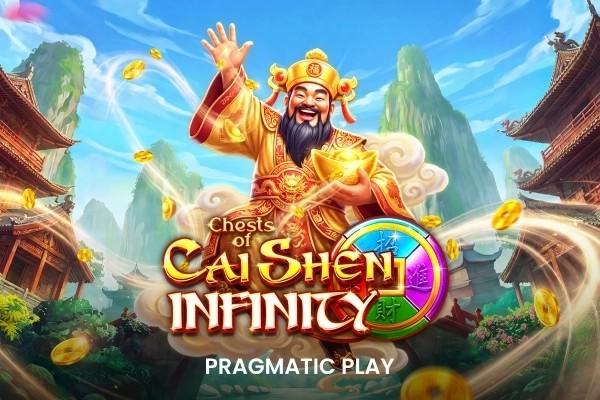
The result is a feedback loop of its own. Asian themes suit Hold & Spin unusually well, so more Asian Hold & Spin games get made, so Hold & Spin becomes associated with Asian themes, so new Asian slots default to including it. The mechanic keeps evolving most actively within this theme category: grid expansion during bonus rounds, multiplier coins, combined Megaways plus Hold & Spin, multi-modifier systems like Chests of Cai Shen's color-coded bonus coins.
Player devotion to the top-tier Asian slots is fierce. Dragon Link forums read like fan mail. Dancing Drums has a dedicated following among progressive jackpot chasers. YouTube slot streamers have turned these franchises into content genres of their own - Brian Christopher gravitates toward Fu Dao Le and Fu Bamboo, NG Slot runs regular $500/spin Dragon Link sessions. The big wins generate views, the views generate awareness, and awareness drives more play.
Fatigue concentrates on the mid-tier, specifically Pragmatic Play's iteration strategy. Floating Dragon has had five versions since 2021. The 5 Lions series has four-plus releases. Seasonal Chinese New Year reskins arrive on schedule. Each new version adds a modifier or combines two existing mechanics, but the base experience stays the same. At some point, Year of the Snake stops feeling like a new game and starts feeling like a patch update nobody asked for.
The cultural dimension adds complexity. Hyper-localization is replacing generic pan-Asian aesthetics in newer releases: games tailored for specific regional markets with authentic festival references, local language support, and mechanics designed for local play preferences. PG Soft's anime-influenced portrait-mode games target a different player than Aristocrat's cinematic land-based cabinets. The Asia-Pacific online gambling market is projected to hit $54.66 billion by 2033, growing at 12.77% annually from $18.53 billion in 2024. That growth will fund more cultural specificity, not less.
The generic "Oriental" slot with interchangeable dragons and undifferentiated gold coins is not disappearing - too many already exist, and they still perform. But the growth edge is moving toward games that know the difference between Lunar New Year and the Mid-Autumn Festival, between a Japanese matsuri and a Chinese temple fair.