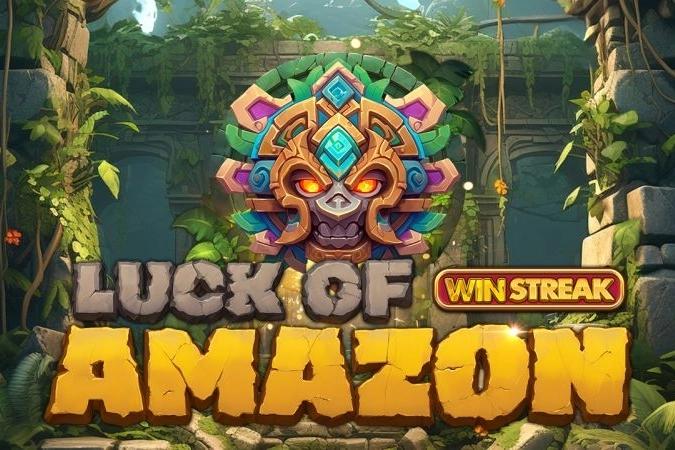
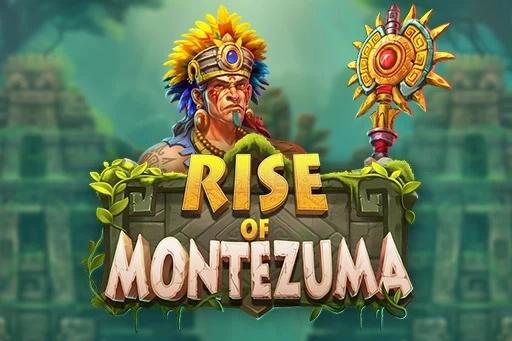
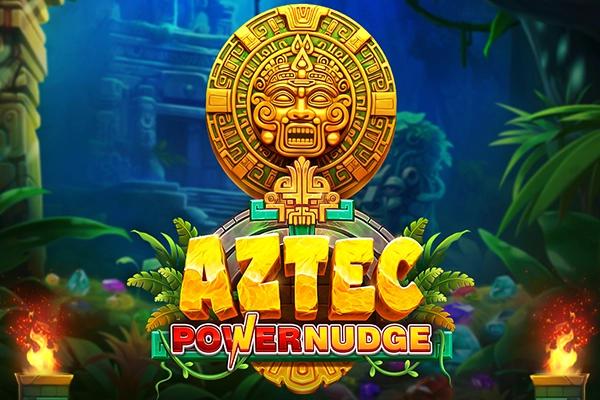
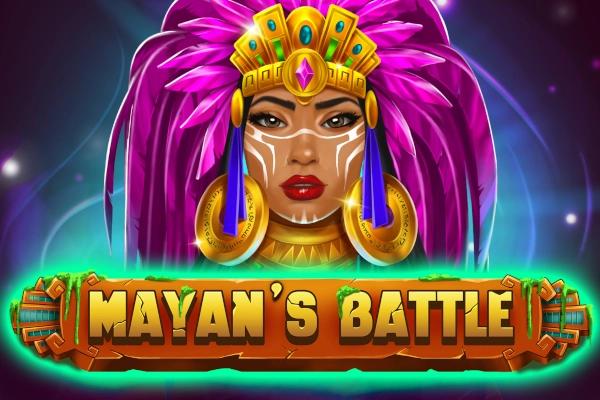
11 free demo slots with aztec theme
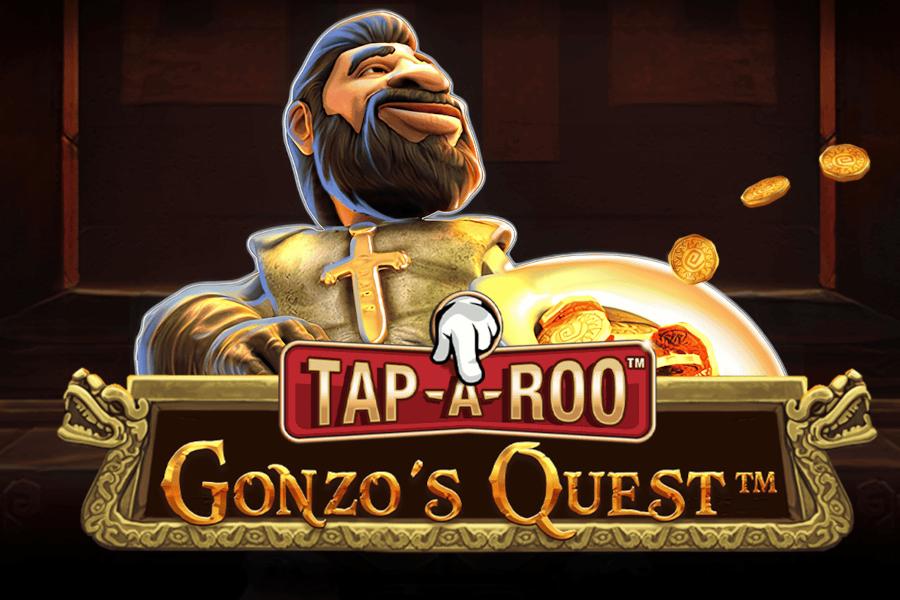
Ancient temples, golden idols, and cascading stone blocks. Aztec slots owe a lot to Gonzo's Quest, which basically invented the cascading reels mechanic back in 2011.
Play'n GO
Pragmatic Play
Pragmatic Play
Pragmatic Play
Pragmatic Play
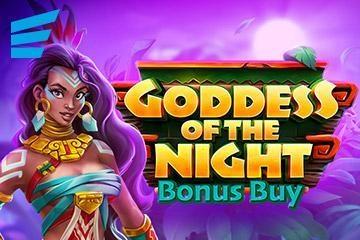
ELK Studios
Pragmatic Play
Hacksaw Gaming
ELK Studios
NetEnt
Pragmatic Play
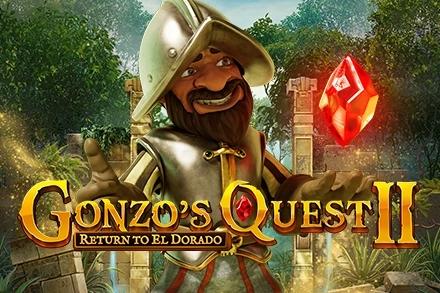
Aztec slots trace back to a single mechanical breakthrough. NetEnt's Gonzo's Quest launched in 2011 and did something no slot had done before: instead of spinning reels, stone-block symbols fell into place, exploded on wins, and let new blocks cascade from above. The mechanic was called Avalanche. It changed everything. And the Aztec theme - with its temple walls, carved masks, and crumbling stone - turned out to be the perfect visual wrapper for it. Fourteen years later, cascading reels power thousands of slots across every theme imaginable, but the Aztec category still leans on tumble mechanics harder than any other.
The category itself is smaller than you'd expect. Egyptian slots outnumber Aztec titles roughly five to one. Greek mythology runs larger too. But Aztec occupies a comfortable Tier 2 position with several hundred games, and it feels less exhausted than the Egyptian alternative. Players and reviewers rarely lump it in with the overdone themes. The jungle-and-pyramid setting offers more natural visual variety than sand-and-pharaohs, and the treasure-hunt framing gives developers a built-in narrative arc that Egyptian slots, focused on mythology and royalty, often lack.
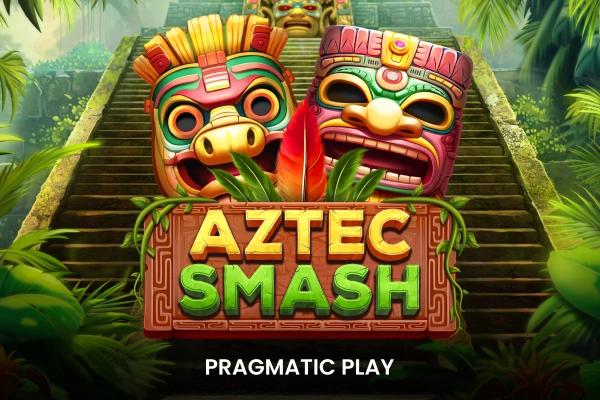
Pragmatic Play has released over a dozen Aztec-titled slots, covering practically every modern mechanic. John Hunter and the Aztec Treasure (7,776 ways, 96.5% RTP) brought the adventure-archaeologist formula. Aztec Bonanza introduced a diamond-shaped expanding grid where consecutive cascades unlock corner positions - a genuinely clever design. Aztec Gems started as a stripped-back 3x3 classic and spawned Deluxe and Megaways versions. Gates of Aztec transplanted the Gates of Olympus scatter-pays-with-multipliers engine into a Mesoamerican skin. Aztec Powernudge, Aztec Blaze, Aztec Smash (7x7 cluster pays) - the list goes on.
The breadth is impressive. The depth, less so. Several of these are mechanical reskins of Pragmatic's proven engines with Aztec art draped over them. Gates of Aztec plays identically to Gates of Olympus. That's not necessarily bad - those engines are popular for a reason - but it means the Aztec theming often feels like a costume rather than an identity.
BGaming took the opposite path. Their Aztec Magic series traces a clear evolution through five games: the original Aztec Magic (15 paylines, 96.96% RTP), Aztec Magic Deluxe with upgraded visuals and a 3x wild multiplier, Aztec Magic Megaways as their studio's first Megaways release, Aztec Magic Bonanza adopting the scatter-pays tumble model, and Aztec Clusters on a 6x8 grid with 97% RTP - one of the highest in the entire category. If you want to see how slot mechanics evolved over the past five years, playing through this series in order is a decent crash course.
Other providers with strong Aztec entries include iSoftBet (Aztec Gold Megaways, 117,649 ways, 19,200x max win), 3 Oaks Gaming (Aztec Fire, Aztec Sun, and Aztec Pyramid Megaways with a massive 50,000x ceiling), Play'n GO (Aztec Warrior Princess, Aztec Idols in the Rich Wilde series), and Amatic (Book of Aztec, applying the "Book of" expanding-symbol formula at a reported 97.63% RTP).
The mechanical identity of Aztec slots is unusually coherent. Tumble/cascade mechanics dominate the category because the visual logic works: stone symbols look right when they drop, shatter, and get replaced by new blocks falling from above. It's a natural fit that Egyptian and Greek themes can't replicate as intuitively - spinning scarabs and Greek urns just don't carry the same weight.
Megaways is the second pillar, with at least eight major Aztec Megaways titles. The stepped-pyramid architecture mirrors the variable-height reel structure in a way that feels intentional even when it isn't. Hold & Win mechanics form a strong third category, particularly from 3 Oaks Gaming and Platipus, fitting the "collect golden artifacts" narrative.
One pattern specific to the Aztec niche: the explorer protagonist. Gonzo, John Hunter, Rich Wilde - these slots consistently frame gameplay around a human character on a treasure expedition. Egyptian slots feature pharaohs and gods. Greek slots feature mythological figures. Aztec slots feature you (or your proxy), hacking through jungle to find hidden gold. That adventure-serial quality gives the theme a different emotional register.
Most Aztec slots skew medium-high to high volatility. The treasure-hunt narrative demands it - big infrequent discoveries rather than steady trickles. Max win potentials typically land between 5,000x and 22,000x, with outliers at both ends. Aztec Gems caps at 375x (matching its simple format), while Aztec Pyramid Megaways reaches 50,000x.
RTPs cluster between 95.7% and 97%, squarely at industry average. BGaming's entries tend to sit at the generous end. Pragmatic Play's titles come with operator-selectable RTP tiers - Fortunes of Aztec, for example, ranges from 94.04% to 96.42% depending on the casino. This is an industry-wide practice, but it hits the Aztec category especially hard given how much of it Pragmatic produces.
Low-volatility options exist but are rare. BGaming's original Aztec Magic and 3 Oaks' Aztec Sun offer calmer sessions. If you prefer shorter, steadier play, the selection thins out fast.
The honest weakness of the Aztec category is visual repetition. Jungle backdrop, stepped pyramid, stone masks, golden sun disc, jaguar symbol, turquoise-and-gold palette, tribal drum soundtrack with pan-flute accents. You can describe one Aztec slot's backdrop - waterfall, temple, cloudy skies, green foliage, carved stonework - and that description fits dozens of games with zero modification.
Most developers also blur Aztec, Mayan, and Inca elements together freely. Gonzo's Quest follows a conquistador seeking El Dorado (a South American legend) while using Mayan-styled symbols marketed under an Aztec label. These were distinct civilizations separated by centuries and thousands of kilometers. The conflation is so standard that pointing it out feels pedantic, but it does contribute to a sense that developers treat "ancient Mesoamerica" as one interchangeable aesthetic rather than a source of genuine storytelling.
The games that break through the template stand out sharply. Aztec Bonanza's expanding diamond grid. Azticons: Chaos Clusters from Quickspin with its distinctive stylized iconography. ELK Studios' Ecuador Gold with colossal expanding symbols. These are the exceptions - and the proof that the theme has untapped potential when developers push past the default visual kit.