Endorphina Slots
90 free demo slots from Endorphina
Endorphina makes traditional slots with straightforward math. Almost every game has a fixed 96% RTP, and there are no hidden versions with lower odds. What you see on the paytable is exactly how the game plays. Visually, their games have a classic feel. Instead of experimenting with new mechanics, they stick to proven formats and keep the gamble feature front and center.
Endorphina
Endorphina
Endorphina
Endorphina
Endorphina
Endorphina
Endorphina
Endorphina
Endorphina
Endorphina
Endorphina

Endorphina
Endorphina
Endorphina

Endorphina

Endorphina
Endorphina

Endorphina
Endorphina
Endorphina
Endorphina
Endorphina
Endorphina
Endorphina
Endorphina
Endorphina
Endorphina
Endorphina

Endorphina
Endorphina
Endorphina

Endorphina

Endorphina

Endorphina
Endorphina
Endorphina

Endorphina
Endorphina
Endorphina
Endorphina
Endorphina
Endorphina
Endorphina
Endorphina
Endorphina
Endorphina

Endorphina

Endorphina
Endorphina

Endorphina
Endorphina
Endorphina
Endorphina
Endorphina
Endorphina
Endorphina
Endorphina
Endorphina

Endorphina

Endorphina

Endorphina
Endorphina
Endorphina
Endorphina
Endorphina
Endorphina

Endorphina
Endorphina

Endorphina
Endorphina
Endorphina
Endorphina
Endorphina
Endorphina
Endorphina
Endorphina
Endorphina
Endorphina
Endorphina
Endorphina
Endorphina
Endorphina

Endorphina
Endorphina
Endorphina

Endorphina
Endorphina
Endorphina

Endorphina
Endorphina
Endorphina slots feel a bit different when you first play them. The layout is clean. A gamble button pops up after every win. But the biggest difference is the math. They offer a fixed 96% return to player (RTP) on almost all their games. You will not find lower RTP versions hiding at different casinos. While many big studios let casinos lower the payouts to 87% or 94%, Endorphina keeps things consistent.
This studio from Prague has been making games since 2012. They have about 200 slots. What makes them stand out is their honest math and a gamble feature that actually requires some thought.
The math stays the same
Most game makers give casinos a range of RTP numbers to choose from. Endorphina just gives one. Their standard setup is around 96%. Casinos have very little room to lower this. A few older games like Taboo can drop to about 93%, but that is still higher than the lowest settings from much bigger studios.
This means you do not have to guess or hunt for the best version of a game. When you load an Endorphina slot, you get the same math at every casino.
There is one catch you should know about. Their free demo versions run at 98%. This makes the free games feel a lot more generous than playing for real money. You will see more bonuses and your balance will last longer. It is a two percent difference, which is enough to give you the wrong idea if you only play the demo.
How the gamble button works
Almost every Endorphina slot has a Risk Game. After you win, you see one card face up and four cards face down. If you pick a card that beats the dealer, your win doubles. A Joker beats everything. You can do this up to 10 times in a row.
The average return of this card game is about 84%. That sounds bad until you look at how it works. If the dealer shows a 2, your expected return is 162%. If the dealer shows a King, your chances drop to 23%. This means you actually have to make a decision based on the dealer's card. It is not just random luck.
Some games like Lucky Streak 3 are built entirely around this feature. There are no wilds or free spins. It is just a basic 3x3 grid. The reels just give you a starting win, and the card game is where the real action happens.
Which games are worth your time
The Endorphina library falls into three main groups.
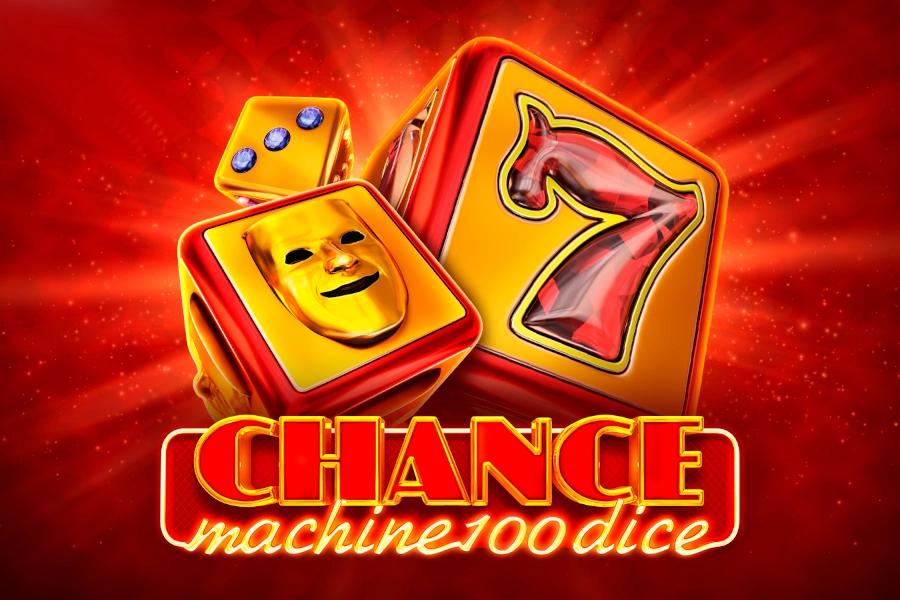
The best games. King of Ghosts has their highest payout potential, offering up to 25,000x your bet with expanding wilds and multipliers. Satoshi's Secret is an older game but still stands out. It has a 6x3 grid that pays both ways and a unique trading bonus. Chance Machine 100 is a great example of their simple style, featuring 100 paylines and expanding wilds with no extra clutter.
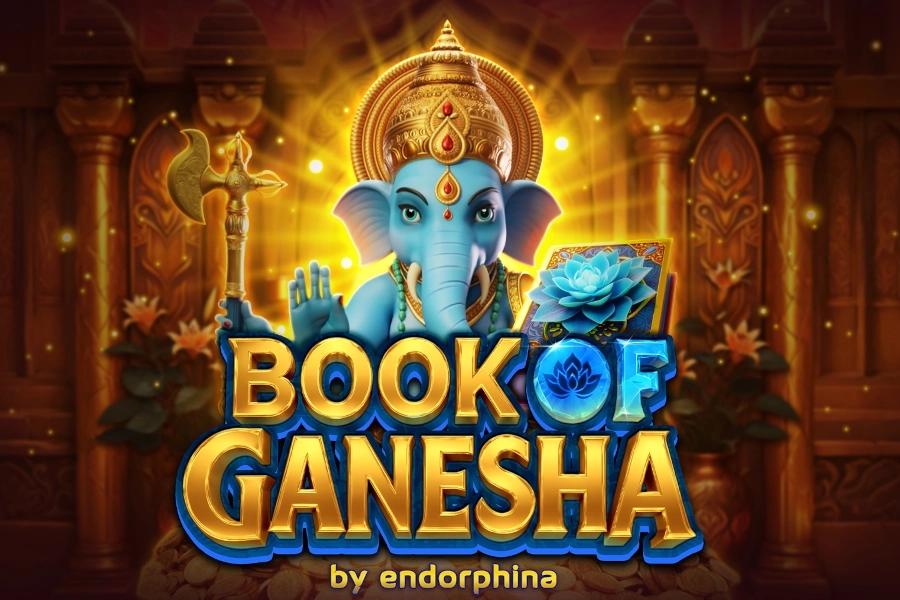
The newer games. Recent titles like Book of Ganesha, 3 Witch Pots, and Fortune Stars use popular features like hold and win bonuses and jackpots. They are decent games, but they look and feel a bit generic compared to the older ones.
The ones to skip. Their older 10-payline games like Safari, The King, and Geisha all feel very similar. The graphics look dated now. The math in the base game can also lead to long streaks of dead spins that drain your balance.
The biggest downside to Endorphina is the maximum win limit. Most of their games cap out between 1,000x and 5,000x your bet. A few reach 25,000x. If you only play slots looking for massive payouts, these games might not be for you. You also will not find any Megaways games or grid slots that pay in clusters. Their style is very traditional.
Why you might not have heard of them
Endorphina has grown a lot recently. They are now licensed in 54 different markets and have signed deals with big casino operators.
Even with this growth, many players do not know who they are. Big slot streamers ignore them because a 5,000x max win does not make for a crazy video. People on slot forums rarely talk about them. The studio is in a weird spot where casinos like them, but players barely notice them.
Right now, you will mostly find their games in Eastern European casinos and on crypto sites. They are expanding into new countries, but that alone might not make them famous. They probably need to release a game with a massive max win to get people talking. Until then, they just keep making solid, honest slots with a unique gamble feature.